
Partition of Inherited Property in Florida: When Heirs Disagree
Partition of Inherited Property in Florida: When Heirs Disagree
Introduction
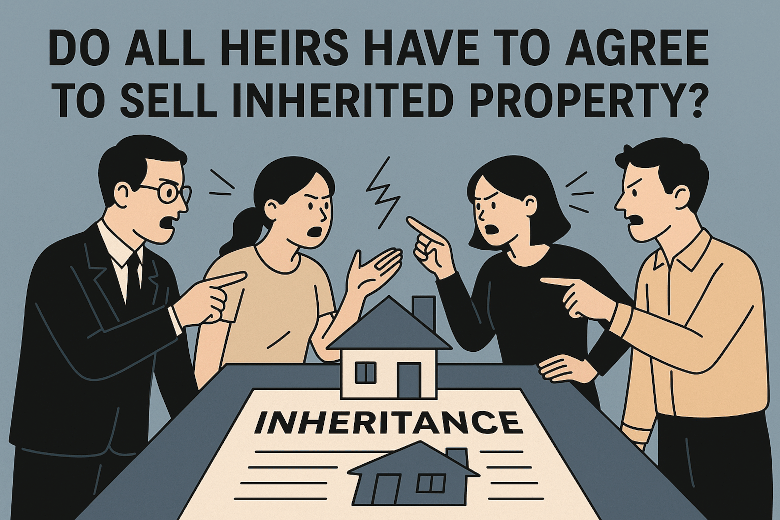
When a loved one passes away, inheriting property together can quickly become a source of conflict. Partition of inherited property in Florida is often necessary when heirs cannot agree on whether to keep, sell, or manage real estate left through a will or intestate succession.
Florida law does not require heirs to remain co-owners indefinitely. When disputes arise, a partition action allows the court to step in and resolve the situation fairly.
How Inherited Property Becomes Jointly Owned
Inherited property commonly results from:
-
Intestate succession
-
A will naming multiple beneficiaries
-
A trust distributing property to multiple heirs
Once probate ends, heirs receive ownership interests—even if they never wanted joint ownership.
Common Heir Disputes
-
One heir wants to sell; others want to keep the home
-
Unequal contributions to maintenance or taxes
-
One heir lives in the property rent-free
-
Emotional attachment vs. financial necessity
How Partition of Inherited Property Works
Any heir may file a partition lawsuit. The court:
-
Determines ownership shares
-
Values the property
-
Orders sale or division
-
Distributes proceeds
Heirs may also receive credit for expenses paid on behalf of the property.
Why Courts Often Order a Sale
Most inherited homes cannot be physically divided. Florida courts typically order partition by sale to avoid economic loss and ensure fairness.
Final Thoughts
Partition of inherited property in Florida provides a legal solution when family disagreements stall progress. Acting early can prevent prolonged conflict and preserve estate value.
📞 Facing an inheritance dispute? Contact our probate litigation team today.